Real Estate and Retirement: Why Asset Allocation Matters
Looking at real estate through the lens of retirement, income, and risk
When reviewing an investment portfolio, age, income needs, and access to cash all matter. The same considerations apply to real estate. An investor who is still working and building wealth may have different priorities than someone who is retired and depending on their investments for income.
According to ExchangeRight’s research, the average age of investors seeking assistance with 1031 exchanges and alternative investments is just over 72. At this stage of life, many investors are more focused on preserving their assets and maintaining income than taking on additional risk for potential growth. They may also have a spouse or family members who will depend on those assets in the future. These circumstances make it important to look at how real estate fits into the investor’s overall financial picture.
Asset allocation is one way to approach this. It involves looking at how investments are divided among different asset types based on an investor’s goals, time horizon, and ability to handle risk. In traditional portfolios, allocations often shift toward fixed-income investments and shorter-term holdings as investors get older. Real estate can be reviewed in much the same way. Younger investors may have more room for investments with greater growth potential, while retirees may place more emphasis on properties designed to generate consistent income.
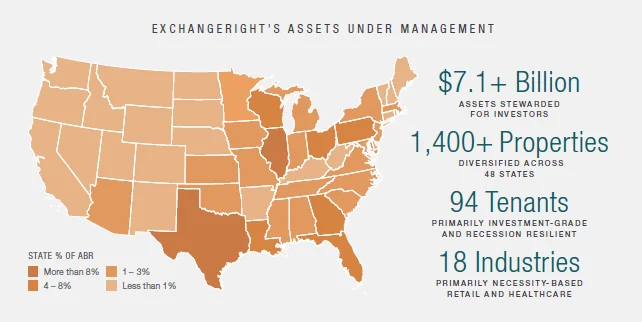
The type of property matters, too. Multifamily and industrial properties can offer growth potential, but they may also be more sensitive to economic changes. Long-term net-leased properties, particularly those occupied by established tenants in industries such as healthcare and necessity-based retail, have different operating characteristics. ExchangeRight’s report examines how these property types performed during the Great Recession, though past operating performance does not guarantee future results. No real estate investment is without risk, and liquidity can be limited.
Estate planning and future access to capital also deserve attention. Some Delaware Statutory Trust (DST) investments offer different options when the investment reaches the end of its holding period. Depending on the offering, these may include another 1031 exchange, a 721 exchange into a REIT, or a cash-out option. Each has its own tax considerations, costs, risks, and requirements. Investors should review these details with their financial, tax, and legal professionals before making decisions.
Real estate can represent a substantial portion of an investor’s wealth, so it shouldn't be reviewed in isolation. A conversation about property holdings, retirement income, liquidity, and estate plans can help identify whether the current allocation still reflects an investor’s needs.
If you own investment real estate or are approaching retirement, contact Verus Financial Group to schedule a review with your advisor. A review can help you look at how your real estate holdings fit into your broader financial plan.
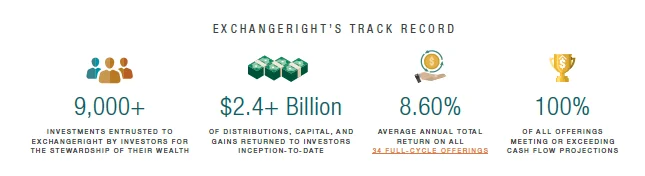
Source: ExchangeRight, An Asset Allocation Approach to Real Estate, January 2026. The age and investment statistics referenced above are from the source document.
The information presented in this article is provided for educational purposes only. The article includes a discussion of Delaware Statutory Trusts ("DSTs") and other real estate-related investment structures with ExchangeRight. The information presented does not constitute an offer to sell, or a solicitation of an offer to buy, any security, including any DST interest. DST interests are securities offered only pursuant to a Private Placement Memorandum to accredited investors and are subject to significant limitations. DSTs are not suitable for all investors and involve a substantial degree of risk. Verus Financial Group is not affiliated with and does not receive compensation from ExchangeRight in connection with the material presented here. Advisory services are offered through Verus Financial Group, an investment adviser registered with the U.S. Securities and Exchange Commission.